Art Deco Revival: How 1920s Glamour Shapes Modern Luxury Hospitality
Few design movements capture imagination quite like Art Deco. Born in the exuberant 1920s and reaching its zenith in the 1930s, this distinctive style embodied optimism, luxury, and technological progress through bold geometric patterns, rich materials, and glamorous aesthetics. Nearly a century later, Art Deco continues influencing contemporary design, particularly in luxury hospitality where its sophisticated elegance creates unforgettable atmospheric experiences.
At Silverstreamretreat, we've embraced Art Deco principles throughout our casino hotel, creating spaces where emerald green velvet, antique gold accents, geometric patterns, and dramatic lighting transport guests to an era of unparalleled glamour. Understanding Art Deco's history and design philosophy enriches appreciation for how this timeless style shapes extraordinary hospitality experiences today.
The Birth of Art Deco: Historical Context
Art Deco emerged from the 1925 Exposition Internationale des Arts Décoratifs et Industriels Modernes in Paris, which gave the movement its name. However, the style's roots extend deeper into the early 20th century, when designers began reacting against Art Nouveau's flowing organic forms, seeking something more streamlined, geometric, and modern.
The post-World War I era created perfect conditions for Art Deco's rise. After years of wartime austerity and devastation, societies craved beauty, optimism, and celebration. Economic prosperity in many Western nations during the 1920s enabled patronage of luxurious design. Technological advances—skyscrapers, automobiles, aviation, radio—inspired aesthetic vocabularies celebrating speed, progress, and modernity.
Art Deco synthesized diverse influences into a cohesive visual language. Ancient Egyptian motifs (popularized by Tutankhamun's tomb discovery in 1922) merged with Aztec and African patterns, Chinese and Japanese design elements, Cubist fragmentation, and Bauhaus functionalism. This eclectic fusion created something entirely new—a style simultaneously looking backward to ancient civilizations and forward to streamlined futures.
The movement spread rapidly across continents, adapting to regional tastes while maintaining core principles. American Art Deco often emphasized height and verticality in skyscraper design. European interpretations frequently featured more ornate decoration. Each regional variation contributed to the style's rich diversity while sharing fundamental characteristics of geometric patterning, luxury materials, and glamorous sophistication.
Core Design Principles and Visual Language
Art Deco's distinctive appearance stems from several key design principles that distinguish it from both preceding and subsequent movements. Understanding these fundamentals reveals why the style creates such powerful atmospheric effects in hospitality settings.
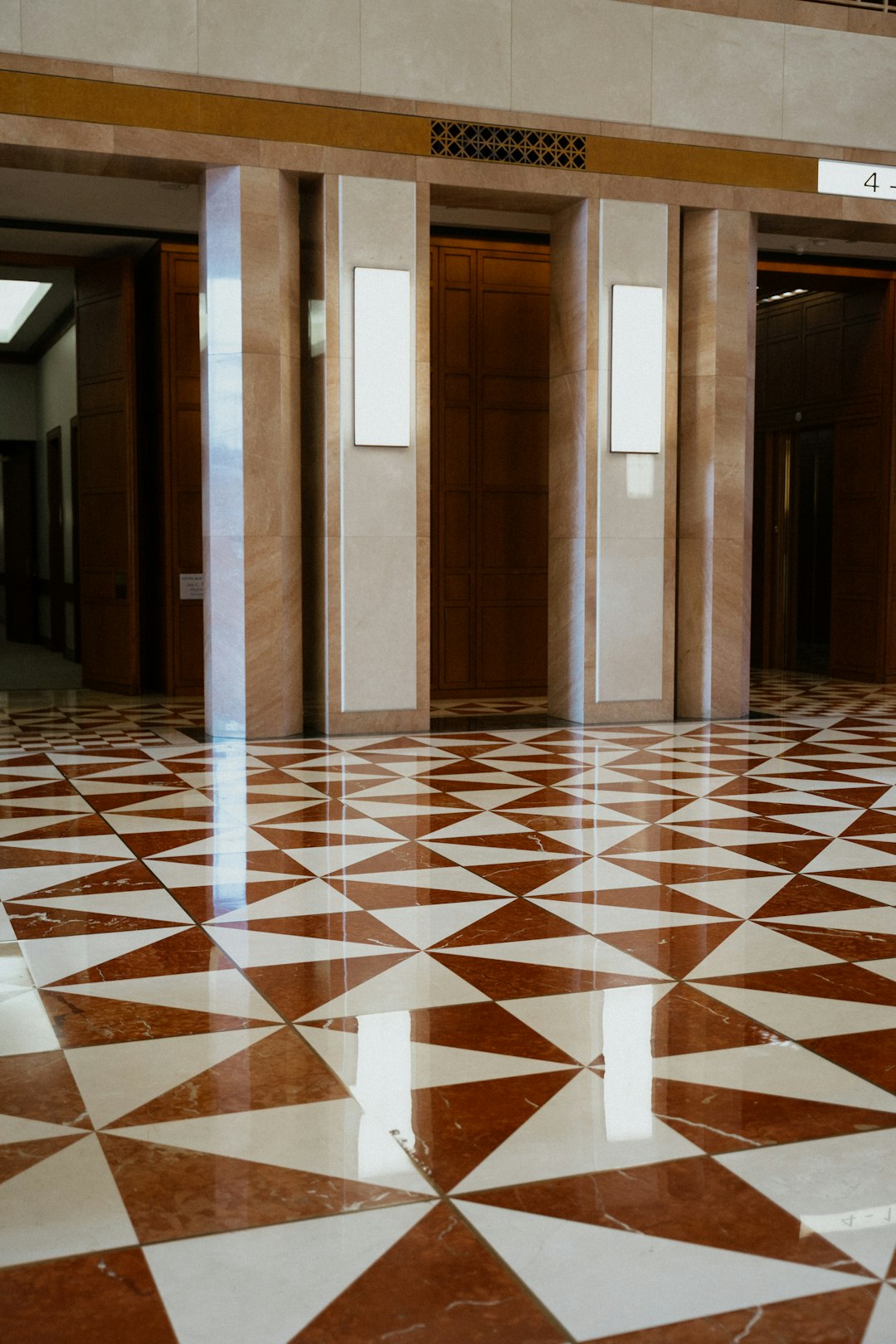
Geometric patterns form Art Deco's foundation—zigzags, chevrons, sunbursts, stepped forms, and angular compositions create dynamic visual energy. These geometric elements appear in architectural details, decorative panels, textiles, and floor patterns, providing structural coherence across different design applications.
Symmetry and repetition create order and grandeur. Art Deco designers arranged geometric elements in balanced, mirrored compositions that evoke monumentality and importance. This symmetrical approach differs from Art Nouveau's asymmetric organic flow, instead projecting confidence, stability, and deliberate control.
Luxurious materials signal quality and opulence. Art Deco interiors featured exotic woods, marble, brass, chrome, lacquer, and precious materials that caught and reflected light. Rich velvet upholstery in jewel tones, particularly emerald green, sapphire blue, and ruby red, added sumptuous texture. These material choices transformed spaces into expressions of wealth and refined taste.
Bold color palettes created drama and visual impact. Beyond jewel tones, Art Deco embraced black and white contrasts, cream and gold combinations, and metallic finishes. These color schemes provided sophisticated backdrops for social gatherings while emphasizing the era's celebratory spirit.
Streamlined forms reflected technological modernity. Even as Art Deco incorporated ornamental decoration, underlying forms emphasized sleek, aerodynamic profiles suggesting speed and progress. This balance between decoration and streamlining created aesthetic tension that kept the style visually interesting without becoming cluttered.
Art Deco in Architecture and Interiors
Art Deco's architectural applications produced some of the 20th century's most iconic buildings. These structures demonstrate how design principles translated into three-dimensional spaces that continue captivating viewers generations later.
The Chrysler Building in New York epitomizes Art Deco skyscraper design. Its distinctive crown with radiating sunburst patterns, eagle gargoyles, and stainless steel cladding exemplify the style's celebration of height, technology, and decorative craftsmanship. The building's lobby, with its elaborate ceiling mural and exotic marble walls, creates an interior experience matching the exterior's dramatic impact.
Miami's South Beach preservation district showcases Art Deco's adaptation to resort settings. Pastel-colored buildings with nautical motifs, porthole windows, and horizontal "speed lines" create distinctive streetscapes where architecture responds to tropical climate and leisure purposes while maintaining Art Deco's essential character.
Cinema palaces represented Art Deco interior design at its most spectacular. Theater designers created fantasy environments with elaborate geometric ceilings, dramatic lighting effects, luxurious seating, and decorative murals. These spaces transformed moviegoing into immersive experiences where the architecture itself provided entertainment.
Ocean liners like the Normandie demonstrated Art Deco's application to mobile luxury. Interior spaces featured dramatic grand staircases, elaborate dining salons with geometric ceiling treatments, and first-class accommodations finished in exotic woods and sumptuous fabrics. These floating palaces represented the ultimate fusion of Art Deco aesthetics with cutting-edge transportation technology.
The Decline and Dormant Period
Art Deco's dominance proved relatively brief. By the late 1930s, the style began falling from favor, and World War II effectively ended its mainstream popularity. Several factors contributed to this decline.
Economic depression made Art Deco's luxury inappropriate during times of widespread hardship. The style's association with 1920s excess seemed tone-deaf amid 1930s unemployment and poverty. More austere design approaches better suited the somber mood of economically challenged times.
Changing aesthetic preferences shifted toward functionalism and modernism. The International Style, with its rejection of ornamentation and emphasis on pure function, represented deliberate reaction against Art Deco's decorative approach. Post-war reconstruction favored efficient, economical design over luxury and embellishment.
For several decades, Art Deco languished in obscurity or outright disdain. Many significant Art Deco buildings were demolished, considered outdated relics rather than architectural treasures. Furnishings and decorative objects ended up discarded or relegated to storage, their value unrecognized.
This dormant period proved crucial for Art Deco's eventual revival. Distance from the original era allowed fresh appreciation unclouded by immediate associations. As mid-century modernism itself became establishment style, Art Deco's glamorous decoration offered appealing contrast to minimalism's perceived coldness.
The Art Deco Revival and Contemporary Applications
Beginning in the 1960s and accelerating through subsequent decades, Art Deco experienced remarkable revival. This renewed appreciation transformed the style from forgotten historical curiosity to influential design movement shaping contemporary aesthetics.
Preservation movements rescued significant Art Deco buildings from demolition. Miami Beach's historic district preservation demonstrated that Art Deco architecture could attract tourism and economic development. Similar preservation efforts worldwide saved countless buildings while raising public awareness of the style's cultural value.
Period films and television celebrating 1920s and 1930s culture reintroduced Art Deco aesthetics to popular consciousness. Productions like "The Great Gatsby" and "Cabaret" showcased the era's visual glamour, inspiring contemporary designers to incorporate Art Deco elements into modern contexts.
Fashion designers drew inspiration from Art Deco's geometric patterns, luxurious materials, and elegant silhouettes. Runway collections featuring Art Deco influences brought the style's visual vocabulary to new audiences while demonstrating its continued relevance and adaptability.
Interior designers discovered Art Deco offered sophisticated alternatives to both traditional and modern minimalist approaches. The style's inherent glamour proved particularly suitable for luxury hospitality, entertainment venues, and high-end residential spaces where creating memorable atmospheric experiences justifies decorative investment.
Art Deco in Modern Casino Hotel Design
Contemporary casino hotels have embraced Art Deco principles extensively, recognizing how the style's inherent glamour and celebratory spirit perfectly complement gaming and entertainment purposes. This marriage of historic aesthetic and modern function creates distinctive experiences that differentiate properties in competitive markets.
Art Deco's association with 1920s and 1930s nightlife, speakeasies, and casino culture provides authentic historical connections. The era's sophisticated social entertainment venues established aesthetic templates that remain relevant for contemporary hospitality. Referencing these historical precedents creates atmospheric authenticity while adding cultural depth to design choices.
The style's visual drama suits casino environments where standing out and creating memorable impressions are essential. Bold geometric patterns draw attention to architectural features and guide circulation through spaces. Rich materials and luxurious finishes signal quality and exclusivity. Dramatic lighting creates focal points and establishes mood.
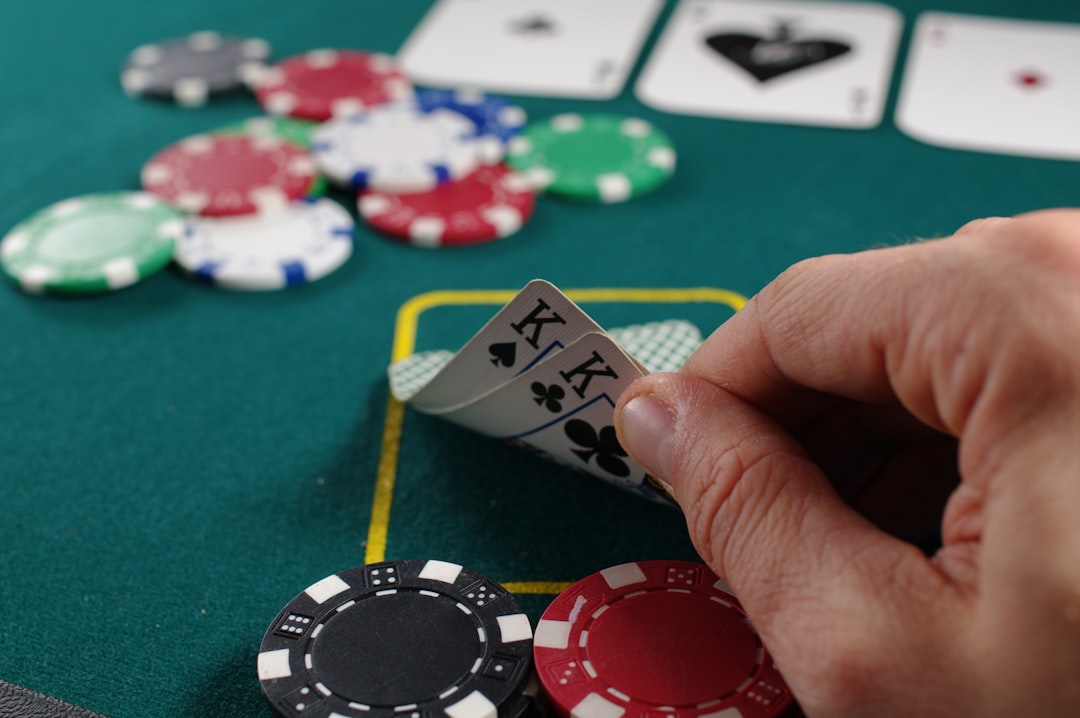
At Silverstreamretreat, our Art Deco-inspired design creates cohesive atmospheric experiences throughout the property. Emerald green velvet seating in our gaming areas references the era's love of jewel tones while providing luxurious comfort. Antique gold accents on architectural details, light fixtures, and decorative elements create visual continuity between spaces. Geometric ceiling treatments and wall panels establish strong visual identity while controlling acoustics.
Our cream-colored walls with subtle texture provide sophisticated neutral backdrops that allow bolder decorative elements to shine without creating visual chaos. This balanced approach—dramatic focal points against restrained backgrounds—exemplifies Art Deco principles while ensuring spaces remain comfortable for extended periods.
Lighting design receives particular attention in our Art Deco interpretation. Period-appropriate fixtures featuring geometric glass shades, brass and chrome finishes, and stepped silhouettes provide functional illumination while serving as decorative sculpture. Layered lighting—ambient, accent, and task—creates depth and allows atmospheric adjustment for different times and purposes.
Material Palette and Craftsmanship
Authentic Art Deco application requires careful material selection and expert craftsmanship. The style's luxurious character depends on quality execution and appropriate material choices that honor historical precedents while meeting contemporary performance requirements.
Wood selections traditionally included exotic species like macassar ebony, zebrawood, and bird's eye maple, prized for distinctive grain patterns and rich colors. Contemporary applications balance aesthetic desires with sustainability concerns, using responsibly sourced materials or reclaimed woods that achieve similar visual effects.
Metals play crucial decorative roles in Art Deco interiors. Brass, bronze, chrome, and nickel finishes appear on light fixtures, furniture details, railings, and architectural elements. Polished finishes catch and reflect light, adding sparkle and visual interest. Geometric metalwork patterns create shadows that enhance three-dimensional depth.
Stone applications include marble, granite, and onyx in dramatic veining patterns and rich colors. Stone appears in flooring, wall cladding, furniture tops, and decorative panels. Book-matched stone installations—where adjacent panels mirror grain patterns—create striking symmetrical compositions typical of Art Deco design.
Glass receives artistic treatment through etching, sandblasting, and staining techniques. Decorative glass panels featuring geometric patterns serve as room dividers, light diffusers, and artistic focal points. Mirrors multiply space and light while contributing to the style's characteristic glamour.
Textile selections emphasize luxury and texture. Velvet remains the quintessential Art Deco upholstery fabric, particularly in jewel tones. Silk, satin, and leather add variety while maintaining luxurious character. Geometric patterns in carpets and draperies reinforce the style's visual language.
Balancing Historical Authenticity and Modern Function
Contemporary Art Deco applications face the challenge of honoring historical precedents while meeting modern functional requirements, building codes, and user expectations. Success requires understanding which elements define the style's essential character versus which details can adapt to contemporary needs.
Building systems integration presents particular challenges. Modern HVAC, electrical, data, and safety systems must function invisibly within period-appropriate aesthetic frameworks. Creative solutions hide contemporary necessities behind decorative grilles, within architectural details, or beneath raised floors and lowered ceilings designed as Art Deco features rather than mere technical accommodations.
Accessibility requirements demand careful integration to maintain design integrity while ensuring universal access. Ramps, elevators, and modified thresholds can incorporate Art Deco detailing that makes them architectural features rather than apologetic additions. Lighting levels must satisfy contemporary standards while preserving dramatic atmospheric effects.
Durability and maintenance considerations influence material selections and construction methods. High-traffic hospitality environments require materials that maintain appearance despite intensive use. Modern protective coatings, stain-resistant treatments, and durable construction techniques allow period-appropriate aesthetics with contemporary performance.
Technology integration represents perhaps the greatest challenge for Art Deco revival spaces. Contemporary guests expect Wi-Fi connectivity, charging capabilities, digital displays, and modern entertainment systems. Successful integration conceals technology when not in use or designs custom housings that reference Art Deco design language.
The Enduring Appeal of Art Deco
Nearly a century after its peak, Art Deco continues captivating designers and delighting audiences. This enduring appeal stems from several factors that transcend temporary fashion and speak to fundamental human responses to visual environments.
Art Deco's inherent optimism and celebratory spirit provide welcome contrast to contemporary anxieties. The style emerged from similar post-crisis recovery (after World War I) and represents triumph of beauty over adversity, luxury over austerity, joy over despair. These associations resonate during our own uncertain times.
The style's balance between decoration and restraint appeals to contemporary tastes. Art Deco offers more visual interest than stark minimalism without the excessive ornamentation some find overwhelming in Victorian or Baroque styles. This middle path provides richness that feels sophisticated rather than overwhelming.
Art Deco's geometric vocabulary translates effectively across scales and applications. The same design principles work in jewelry, furniture, architecture, and graphic design, creating versatile aesthetic language that maintains coherence across diverse implementations.
Cultural associations with glamour, sophistication, and entertainment make Art Deco particularly suitable for hospitality and leisure environments. The style signals special occasions, elevated experiences, and escape from everyday routine—exactly the atmospheric qualities luxury hotels and casinos seek to create.
Conclusion: Living in Art Deco Elegance
Art Deco represents more than historical design movement—it embodies enduring principles of beauty, craftsmanship, and atmospheric creation that remain relevant for contemporary luxury hospitality. At Silverstreamretreat, our commitment to Art Deco excellence creates environments where guests experience the style's timeless glamour through authentic materials, expert craftsmanship, and thoughtful design integration.
Every emerald velvet chair, every geometric light fixture, every cream and gold architectural detail contributes to comprehensive atmospheric experiences that transport visitors beyond everyday settings into realms of sophistication and elegance. This immersive environment enhances every aspect of the guest experience—gaming becomes more exciting, dining more memorable, and rest more luxurious within spaces that celebrate beauty and craftsmanship.
We invite you to experience Art Deco's enduring magic at Silverstreamretreat. Walk through our geometric-patterned entrances, relax in velvet-upholstered seating areas, dine beneath dramatic Art Deco lighting, and enjoy gaming surrounded by antique gold details and rich emerald tones. Discover how thoughtful design creates not just beautiful spaces, but memorable experiences that linger long after your visit ends.
Art Deco's revival isn't mere nostalgia—it's recognition that certain design approaches create timeless atmospheric effects that continue delighting and inspiring. At Silverstreamretreat, we're honored to participate in this design tradition, creating contemporary interpretations that honor historical precedents while delivering exceptional modern hospitality.
Welcome to Art Deco elegance. Welcome to Silverstreamretreat.